
Category: News Page
-

CERN joins a first-of-its-kind global celebration of World Quantum Day
14 April 2022 marks the first anniversary of World Quantum Day – an international initiative launched by scientists from more than 65 countries to promote public understanding of quantum science and technology worldwide. To mark the first anniversary of this global celebration, CERN is organising a scientific symposium comprising a series of talks highlighting different
-
World Quantum Day 2022
World Quantum Day, celebrated on 14 April, is an initiative by quantum scientists from 65+ countries, aimed at promoting public understanding of quantum science and technology around the world. It is a decentralised and bottom-up initiative, inviting all quantum scientists, engineers, educators, communicators, entrepreneurs, technologists, historians, philosophers, artists and their organisations to run their own
-
CERN QTI announces new seminar series
One of the supporting goals of the CERN Quantum Technology Initiative is to raise public awareness and understanding of the science and technology involved, as well as to contribute to the training and education of young researchers in the field. This was already laid out during one of the interventions at the QTI Community Workshop
-
Quantum neural networks force fields generation
Accurate molecular force fields are of paramount importance for the efficient implementation of molecular dynamics techniques at large scales. In the last decade, machine learning methods have demonstrated impressive performances in predicting accurate values for energy and forces when trained on finite-size ensembles generated with theoretical techniques. At the same time, quantum computers have recently
-
Quantum integration of elementary particle processes
In particle physics, integration methods and Monte Carlo programs play an essential role as they are the central link between theory and experiment. At the Large Hadron Collider (LHC), Monte Carlo simulations are crucial as they simulate all the scattering processes generated in the experiments. By generating theoretical events according to the underlying distribution, they
-
Sign up for QHack 2022
This announcement was originally published on qhack.a QHack — the one-of-a-kind celebration of quantum computing — is back again this year! A mixture of fan expo, hackathon, and scientific conference that offers all involved a fun and unforgettable experience. QHack 2022 will take place from February 14th to 25th and feature: QHack is free to
-
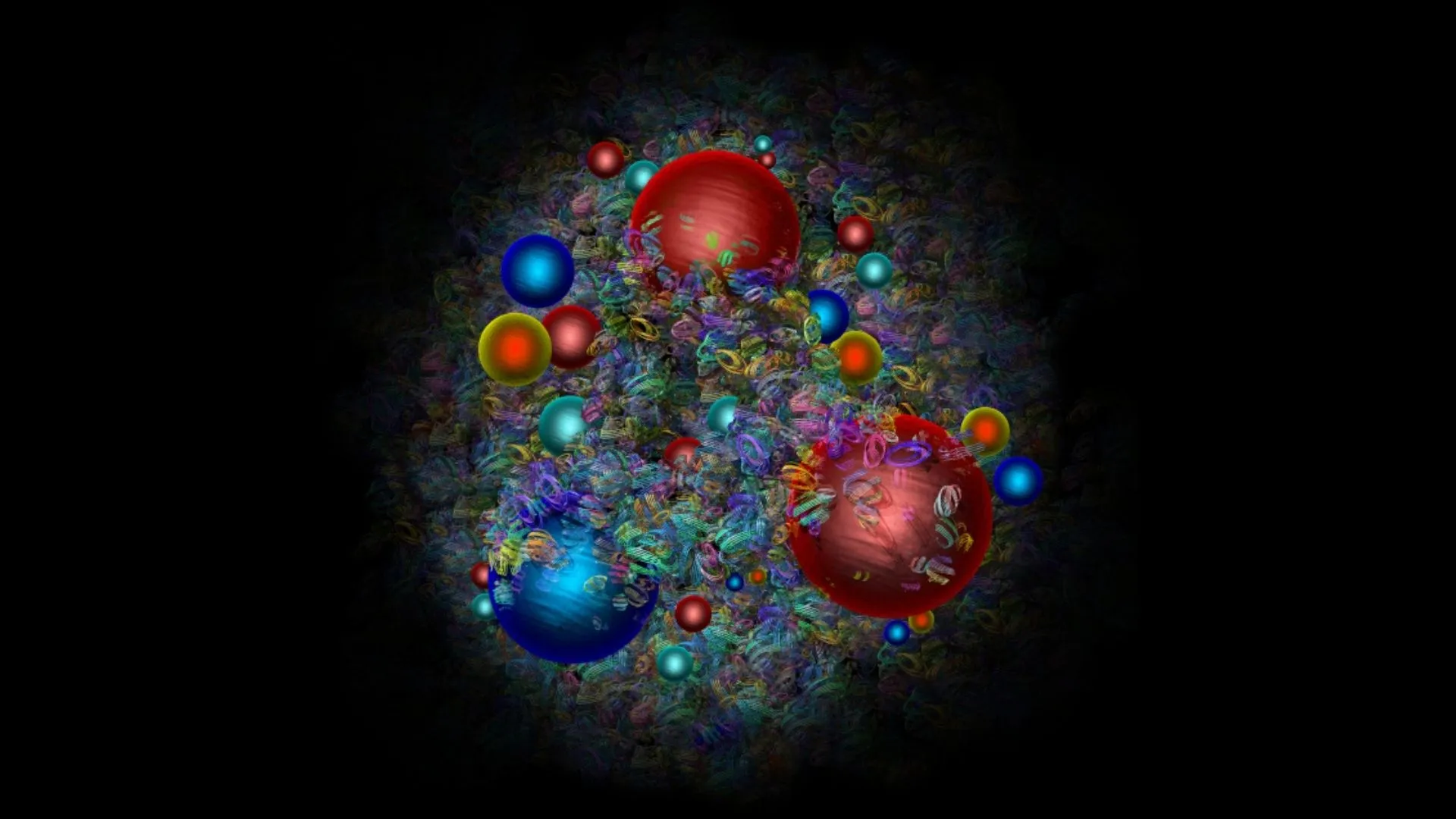
Efficient Representation for Simulating U(1) Gauge Theories on Digital Quantum
Dorota Maria Grabowska – CERN QTI’s coordinator for Quantum Theory and Simulation – is a co-author of a recently published quantum paper introducing a resource-efficient representation for U(1) gauge theory simulation on digital quantum computers. Find out more about it and download the document below. The Standard Model of Particle Physics encapsulates most of our
-
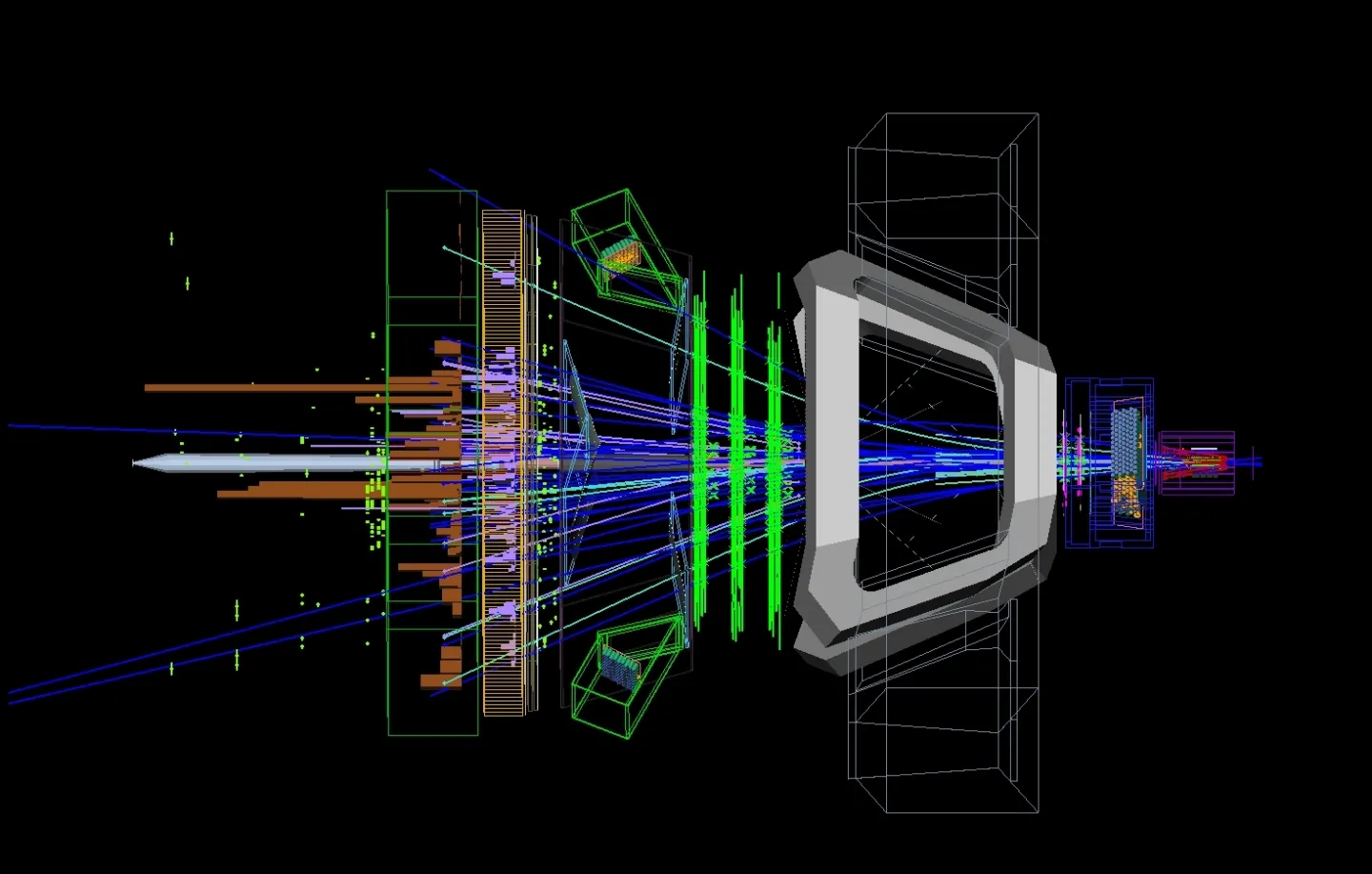
Style-based quantum generative adversarial networks for Monte Carlo events
Scientists at the Large Hadron Collider (LHC) look for new physics by comparing real experimental data with statistical simulations produced by Monte Carlo event generators. These simulations generate 'fake' data based on everything scientists know about their experimental setup and the known laws of physics. Any deviations between the experiments and simulations could provide hints
-
The CERN Quantum Technology Initiative unveils its strategic roadmap shaping CERN’s role in the next quantum revolution
The CERN Quantum Technology Initiative (CERN QTI) reaches its next milestone today, with the unveiling of a first roadmap defining its medium- and long-term quantum research programme. The roadmap details the CERN QTI goals and strategy, and outlines its governing structure and the composition of its international advisory board, as well as the activities to
-
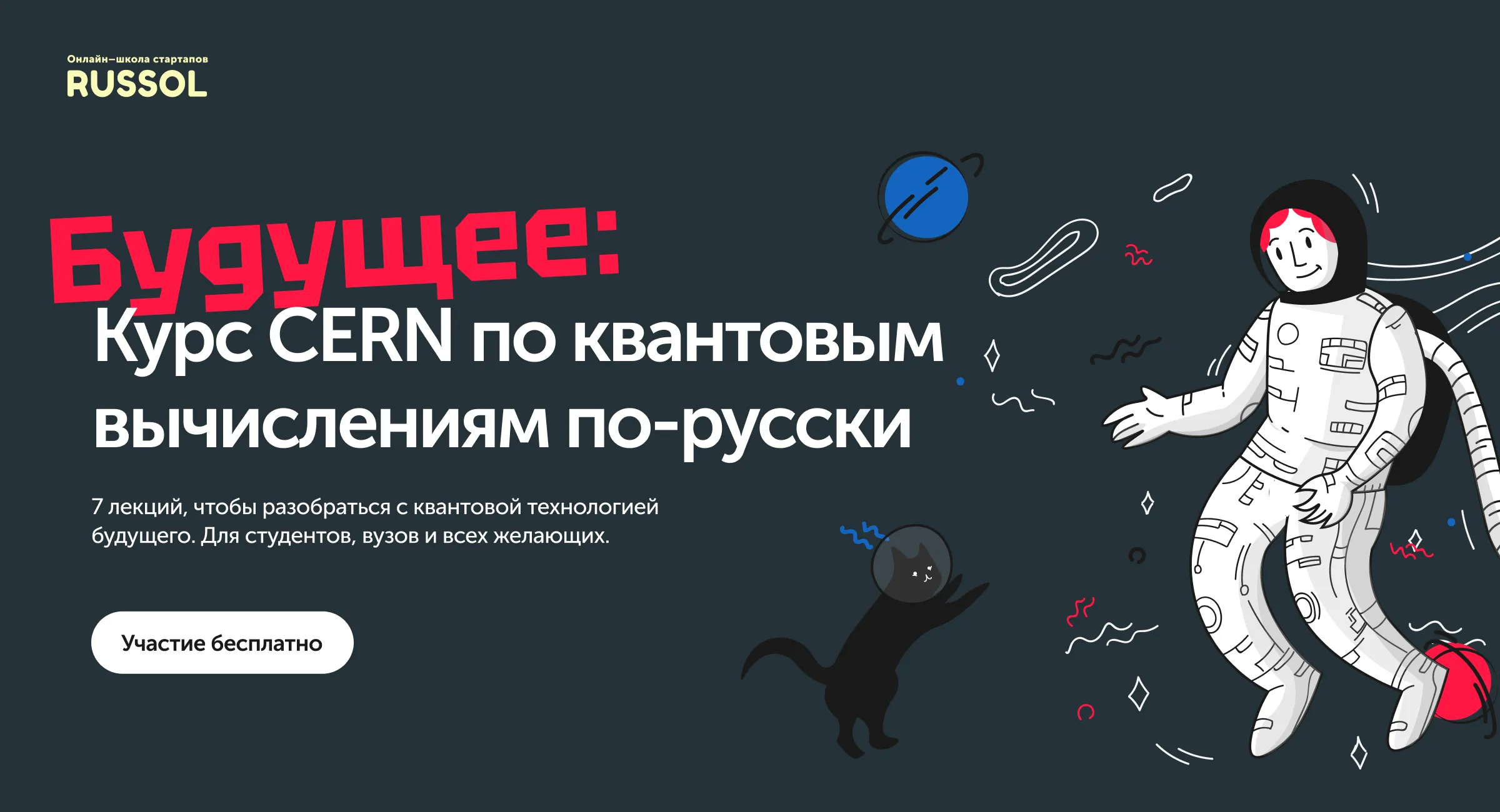
CERN’s online introductory course on quantum computing is now available in Russian
On the initiative of volunteers organised by https://russol.info, the CERN online introductory lectures on quantum computing have been translated* into Russian. The first-ever translation of the CERN course targets the Russian-speaking audience and is now publicly available via: russol.info/quantum. The website contains 14 hours of video lectures with Russian subtitles, full transcripts, illustrated abstracts and