
Quantum technology is an emerging field of physics and engineering that has the potential to revolutionise science and society in the next five to ten years. Knowledge in this rapidly evolving field has advanced considerably, yet still, there are resources required that are not mainstream today.
CERN can be at the forefront of this revolution. As an international, open, and neutral platform, and building on its collaborative culture and proven track record of innovations, CERN is uniquely positioned to act as an “honest broker” between CERN Member States to foster innovative ideas in the field of high-energy physics and beyond. This is underpinned by several concrete R&D projects which are already under way.
The CERN Quantum Technology Initiative (CERN QTI) has defined a roadmap and research programme in collaboration with its recently formed advisory board, as well as the high-energy physics and quantum-technology research communities. Together, we will establish joint research, educational and training activities, set up the supporting computing infrastructure, and provide dedicated mechanisms for exchange of knowledge and innovation.
LATEST NEWS
No posts or pages matching the chosen criteria were found.
EVENTS
-
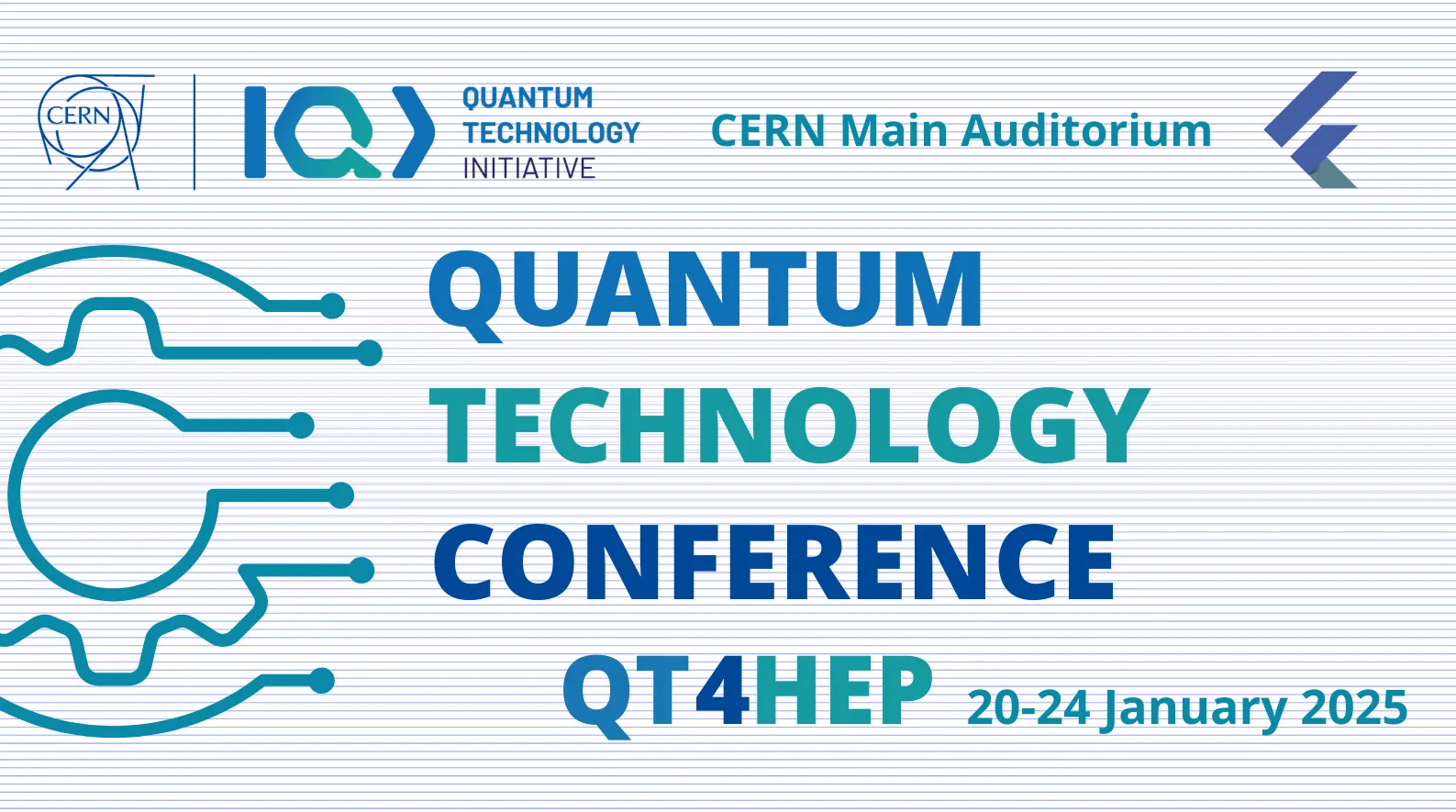
Quantum Technology for High Energy Physics Conference
Monday 20 Jan/25 9:30 (CET) Ends: 24 Jan/25 16:30 Quantum Technology for High Energy Physics Conference The International Conference on Quantum Technology for High-Energy Physics will be hosted at CERN on 20-24 January 2025. Following the great success of QT4HEP 2022, surrounded by the magnificent new architecture of the Science Gateway, this second edition of…
-
Operational launch of the Open Quantum Institute
Tuesday 5 Mar/24 12:45 -20:00 (CET) Operational launch of the Open Quantum Institute Join us for the operational launch event of the Open Quantum Institute (OQI) – a new, three-year CERN-based programme that will help to unleash the full power of quantum computing for the benefit of all. Hosted at CERN, born at GESDA, supported…
-
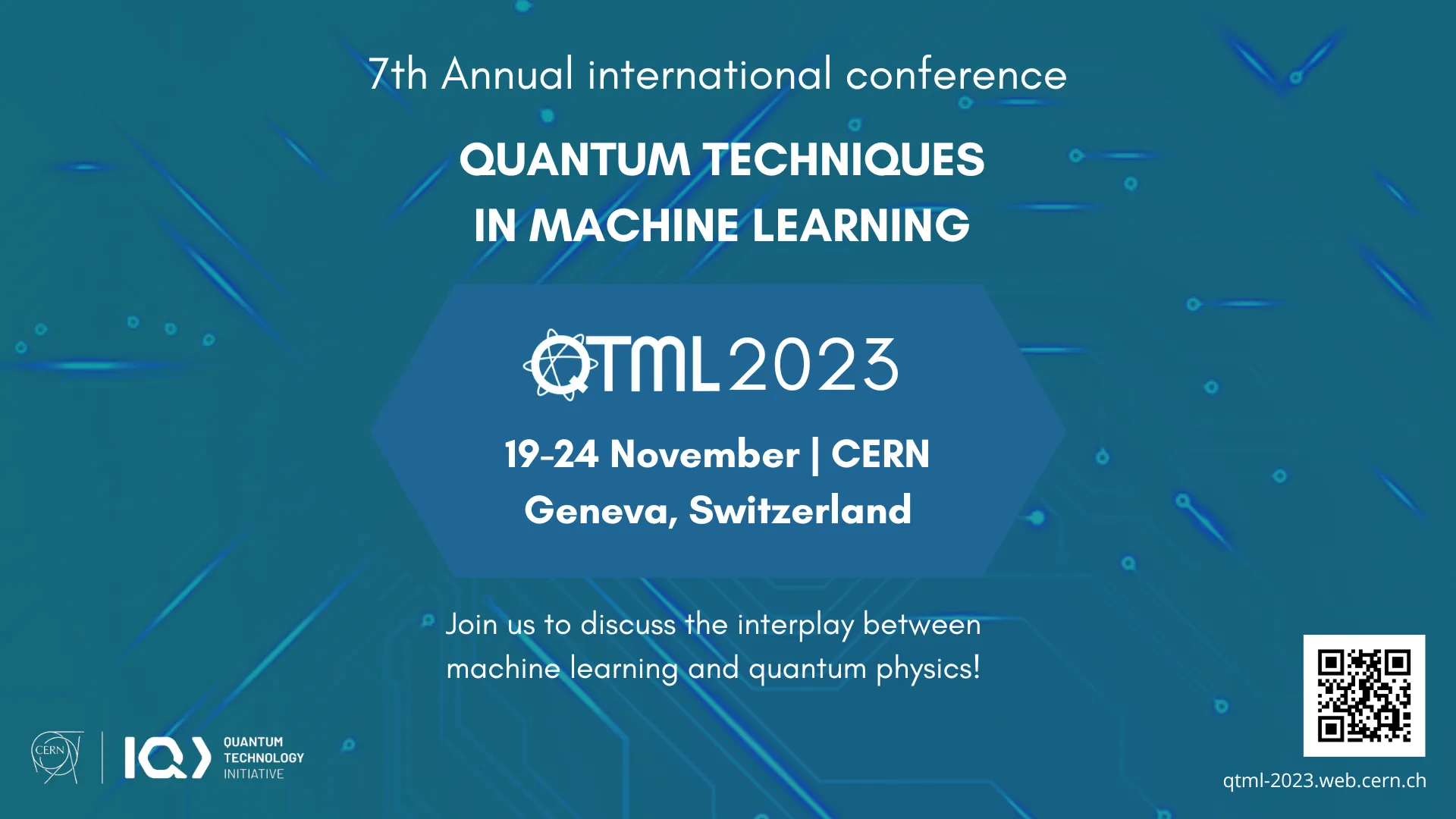
QTML 2023
Sunday 19 Nov/23 10:30 (CET) Ends: 24 Nov/23 16:45 QTML 2023 Quantum Techniques in Machine Learning (QTML) is an annual international conference focusing on the interdisciplinary field of quantum technology and machine learning. The goal of the conference is to gather leading academic researchers and industry players to interact through a series of scientific talks…
RESEARCH FIELDS AND OBJECTIVES
CC2: CERN Technologies as Quantum Platforms Demonstrators
- Encourage the acquisition and dissemination of expertise on quantum sensing in areas relevant to low- and high-energy particle physics.
- Identify particularly promising technologies, focusing on a small number of developments with potential specifically for novel applications in HEP [….]
CC3: Quantum Networks and Communication Hub for Research
Explore quantum communications to prepare for a Quantum Internet that will interconnect quantum computing resources:
- Transmission of entangled photons over long distance fibres, together with classical communications and time and frequency distribution signals
- Leverage and improve the White Rabbit time distribution protocol for the synchronisation needed by quantum communications [….]